
When a major material price jumps after key project decisions are locked, the options get expensive fast. Changing course can mean redesign, substitutions, or procurement delays. And every project is affected differently based on the systems and materials already selected.
Knowing which cost drivers matter most gives the team more room to adjust when prices move.
Lumber climbed. Concrete finally broke its streak.
The overall index only moved slightly, but individual materials changed much more. Lumber rose 3.9% in July, while insulation edged lower. Ready-mix concrete fell 0.4%, its first monthly decline in more than six months.
For developers, the important question is which materials and systems carry the most weight in your budget, and how much room you still have to respond if prices move.
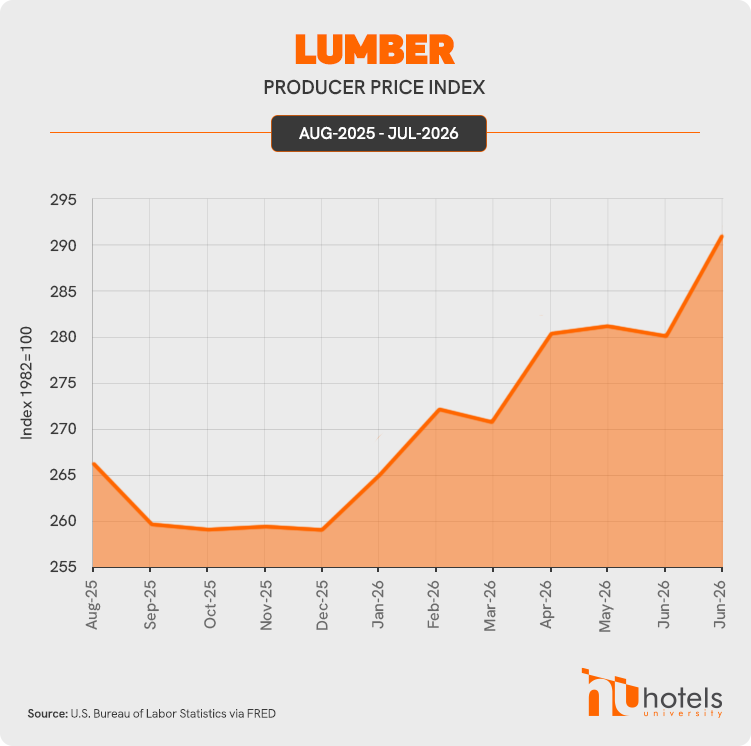
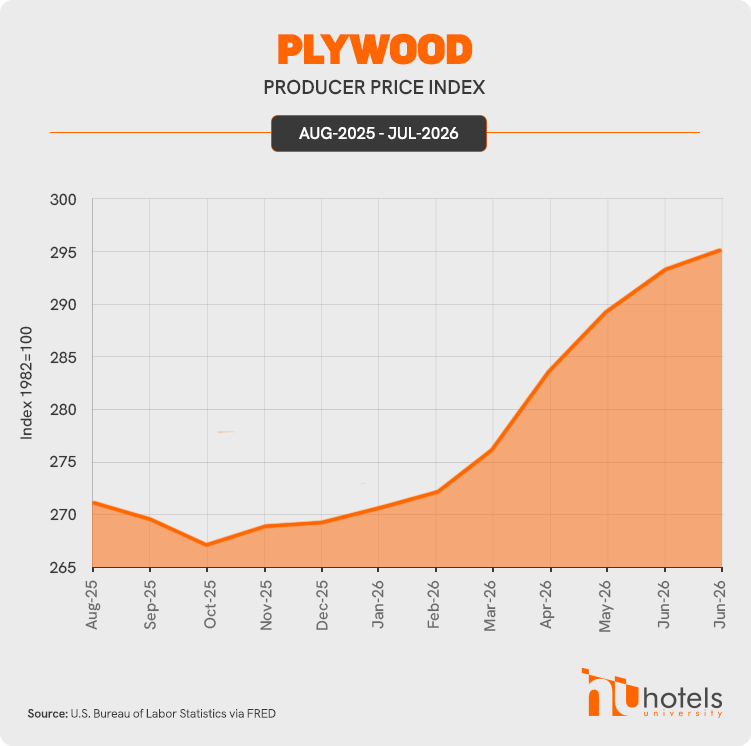
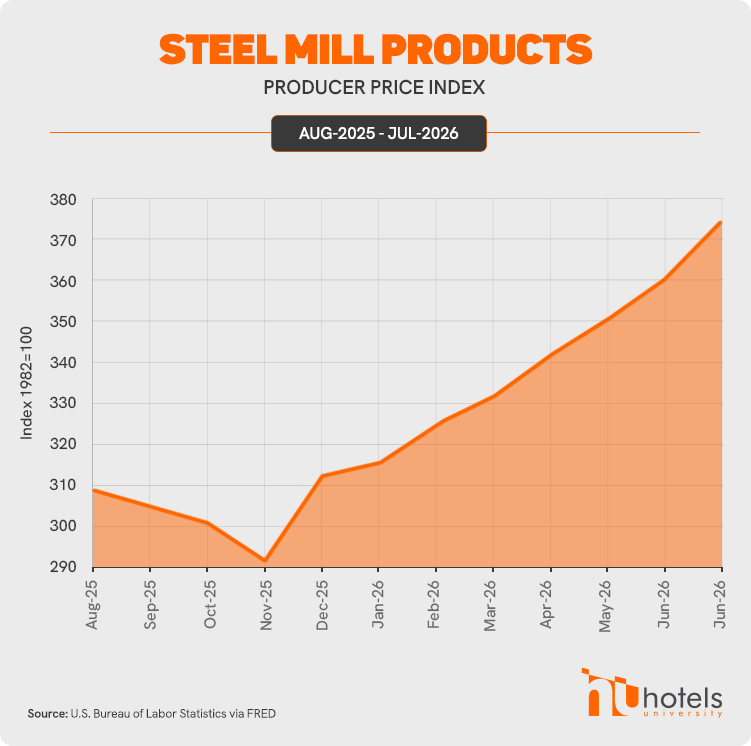
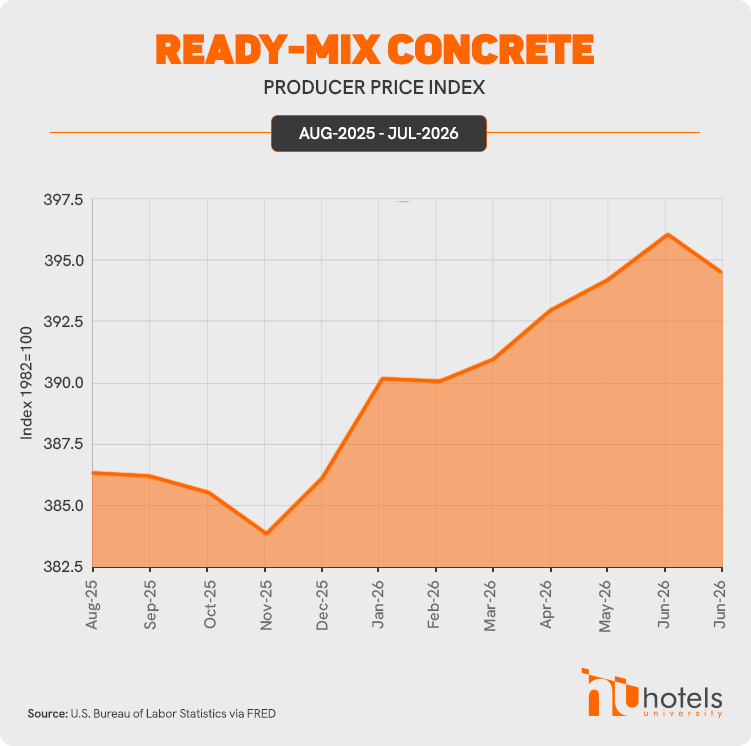
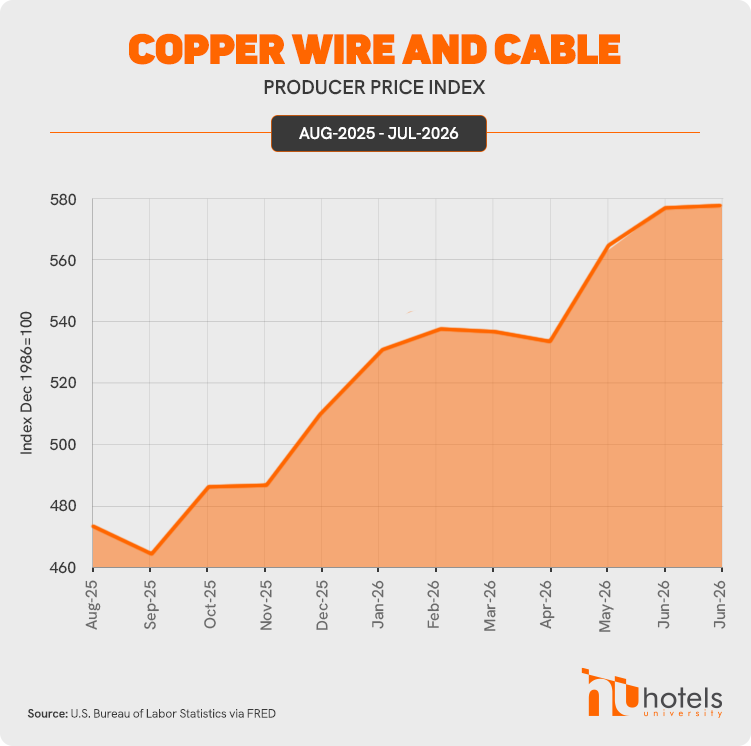
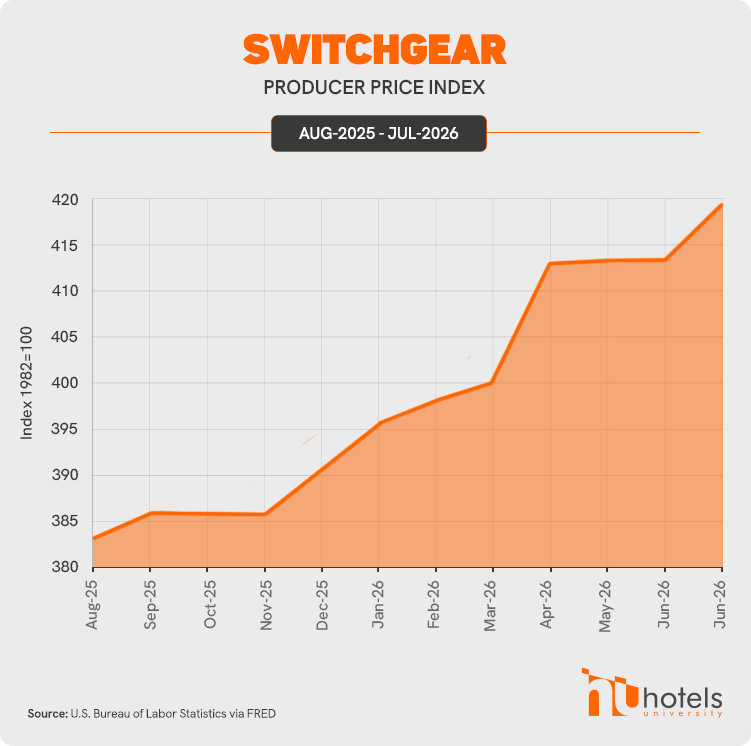
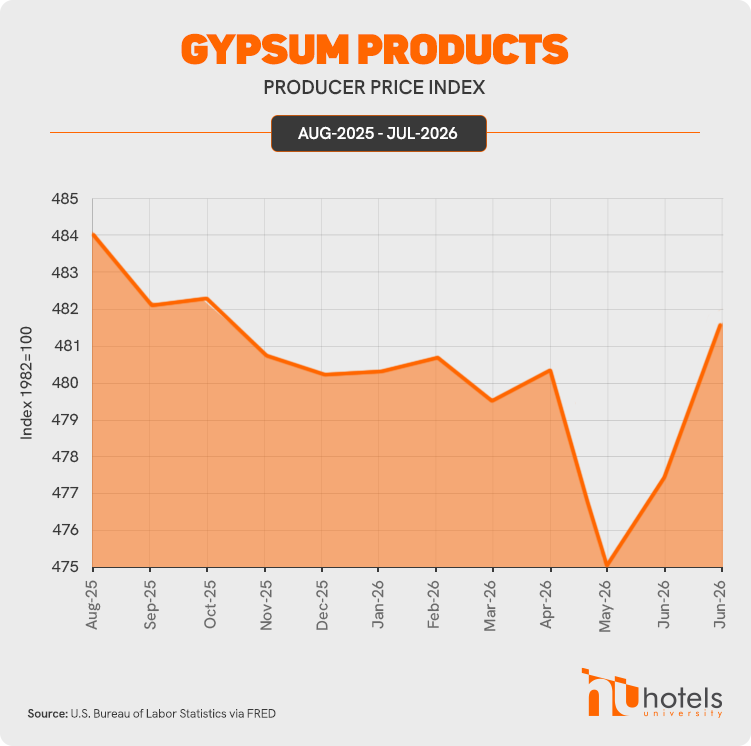
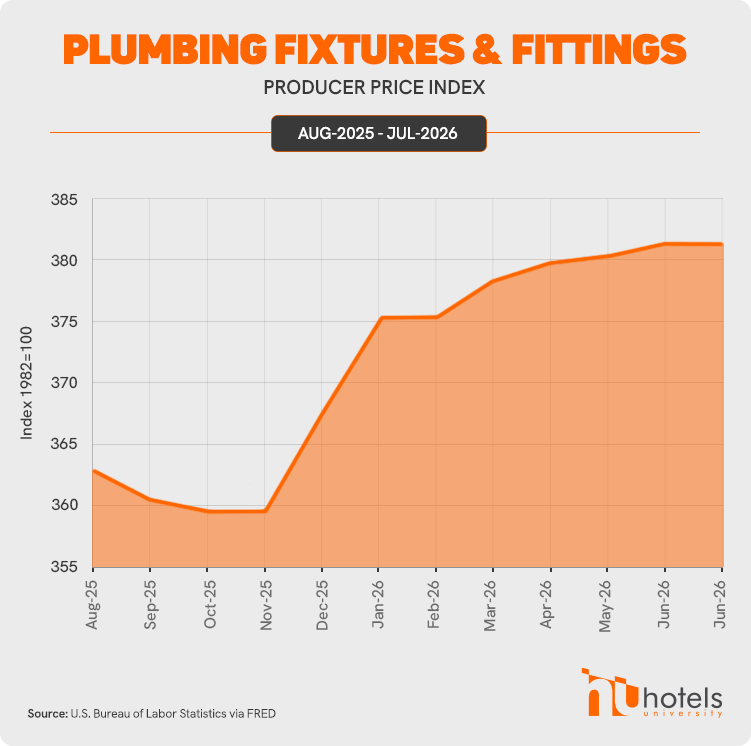
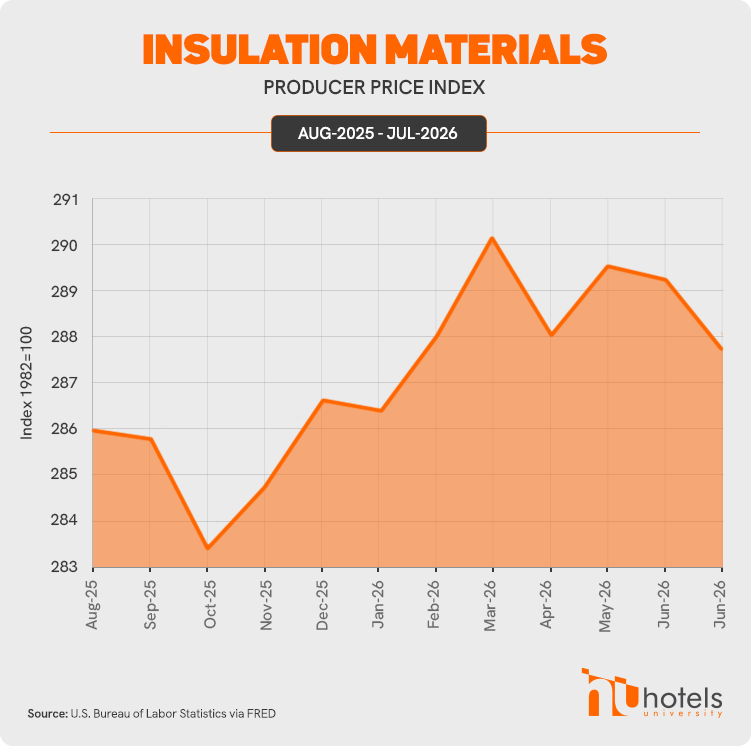
Use the data to check assumptions, not chase monthly swings.
Monthly price changes should not drive project decisions on their own. They can show the team where pricing deserves another look before the next major design or pricing milestone.
- Recheck the biggest cost drivers.
Compare current estimates or trade pricing with the numbers already carrying the project budget.
- Watch the trend, not one month.
Concrete’s July decline is encouraging, but one lower month does not establish a new pricing direction.
- Check high-cost and long-lead items first.
If an item has significant budget or schedule impact, confirm the pricing and procurement assumptions before the project proceeds.
The goal is to catch an outdated cost assumption before it becomes part of the next budget or design decision.
Design around cost risk early.
BASE4 reviews material and building-system options in one coordinated Revit model across architecture, structural engineering, MEP, and interiors. This allows teams to test alternatives before a single change creates a redesign across several disciplines.
We help developers:
- Compare material and building-system options early.
- Coordinate approved alternatives across disciplines.
- Flag cost risks before pricing and purchasing.
- Test prefab and offsite options against current project constraints.
Because material prices change, the design should preserve enough flexibility to respond without disrupting the budget or schedule.
Thank you,
Blair Hildahl
Blair@hotelsuniversity.com
608.304.5228