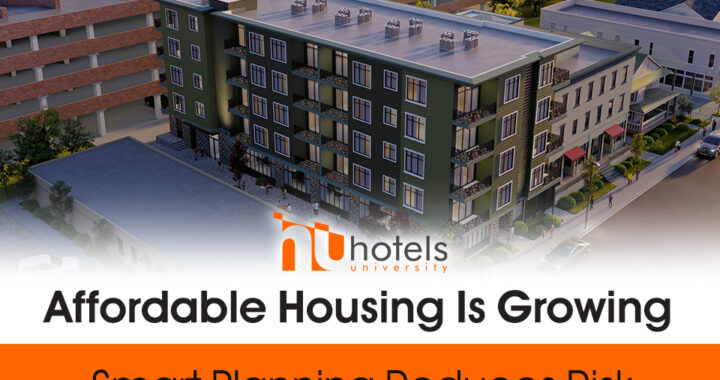
Affordable housing is one of the clearest needs in today’s housing market.
But demand alone does not move a project from concept to construction.
The real challenge is turning demand into a project that can be approved, financed, budgeted, and built.
Demand Is Not the Problem. Feasibility Is.
The National Low Income Housing Coalition reports a shortage of 7.2 million affordable and available rental homes for extremely low-income renters.
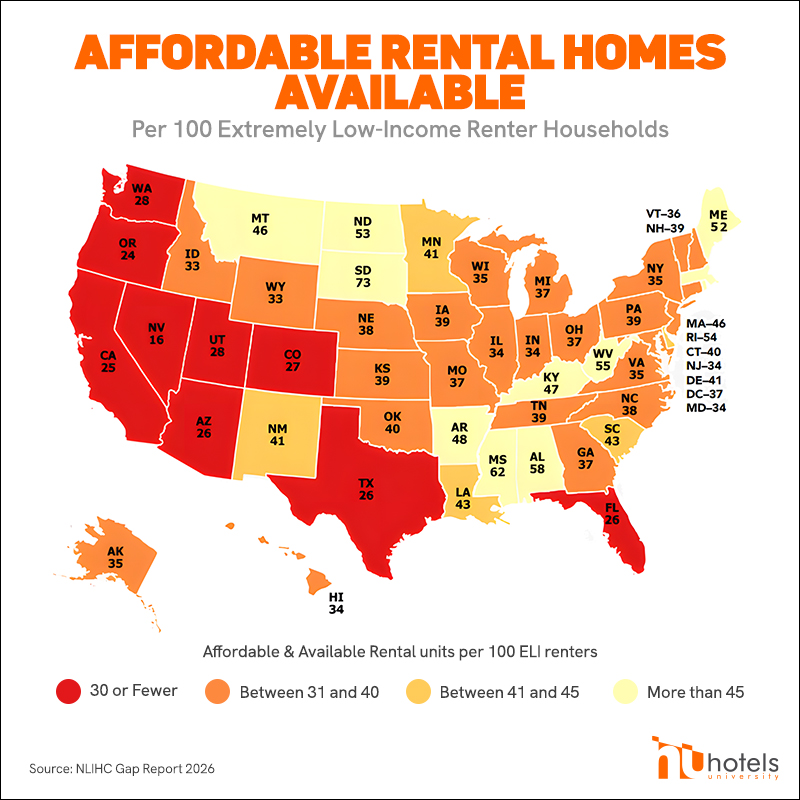
That shortage creates opportunity.
But affordable housing projects still have to work within capped rents, limited subsidies, rising costs, and strict local requirements.
Small Planning Gaps Can Stall the Deal
Affordable housing projects often rely on several funding sources, strict deadlines, local approvals, and tight budgets.
When feasibility is not tested early, delays and redesigns can put funding, approvals, and the entire deal at risk.
Smart Planning Reduces Risk
Affordable housing feasibility starts with practical design decisions.
-
Confirm the site can support the required unit count and parking strategy
-
Test unit mix and building efficiency against the project budget
-
Identify zoning, code, and utility issues before funding deadlines
-
Coordinate architecture and engineering before redesign becomes expensive
-
Align design decisions with approval and financing requirements
This is where early architecture and engineering planning can protect the deal before major time and money are committed.
BASE4 Makes Affordable Housing Buildable
BASE4 tests the decisions that can make or break an affordable housing deal early, before developers commit major time, funding, or redesign costs.
- Early site and yield studies
- Efficient unit mix and parking strategies
- Zoning, code, and permit-readiness review
- Integrated architecture, structural, and MEP coordination
- 100% Revit-based design for clearer coordination and fewer late surprises
Thank you,
Blair Hildahl
Blair@hotelsuniversity.com
608.304.5228